




It usually starts the same way: a Monday after a hard rain, the first cars pull in, and there it is—water sitting across three stalls, rippling around the storm grate. A flooded parking lot slows deliveries, frustrates customers, and quietly eats away at your asphalt.
The cause isn’t mysterious; it’s almost always the same blend of silt, leaves, winter grit, and time. Good parking lot drainage isn’t set‑and‑forget. It’s a rhythm, and when that rhythm is off, what seemed like a nuisance can quickly become a cost line in your budget.
We help property managers across the GTA keep that rhythm. Here’s how to think about the problem—and how to keep it from becoming a recurring character in your week.
Flooded Parking Lot Causes: How Storm Drains and Catch Basins Fail
A catch basin is a settling box with a pipe near the top. As stormwater flows in, heavy material drops to the bottom and cleaner water exits to the municipal system. When that bottom layer builds up, the outlet is effectively choked. The next rain has nowhere to go, and you’ve got surface water.
Add Ontario’s freeze–thaw cycle to the mix and you get another culprit: tiny shifts in joints and pipes that trap more debris the next time around. Season by season, capacity shrinks.
Some of what collects isn’t just sand; it’s fines from your own asphalt, bits of rubber, and the oily film left behind by hundreds of vehicles. Mixed with road salt and de‑icing chemicals, that sludge hardens like concrete. Clearing it early is a matter of vacuuming sediment; leave it and you’re chiselling out a plug.
Signs Your Catch Basin Needs Attention
Clogs rarely appear overnight. Early signs seldom look dramatic: water sitting longer after a moderate rain, rust or algae staining the curb, a faint sulphur smell or gurgling sound, even a small sinkhole forming beside the grate. Those are all hints that the sediment level is inching up. Spot them and schedule service before you’re dealing with a pond.
Storm Drain Cleaning First Steps: What to Do When You See Pooling
Safety first. Don’t send vehicles through deep water and don’t step into it if you can’t see the surface. If the grate is covered by leaves or litter, brush that aside with a broom or rake—no prying covers, no reaching into the basin. Then call for commercial storm drain cleaning. The fix is below the grate, not on it.
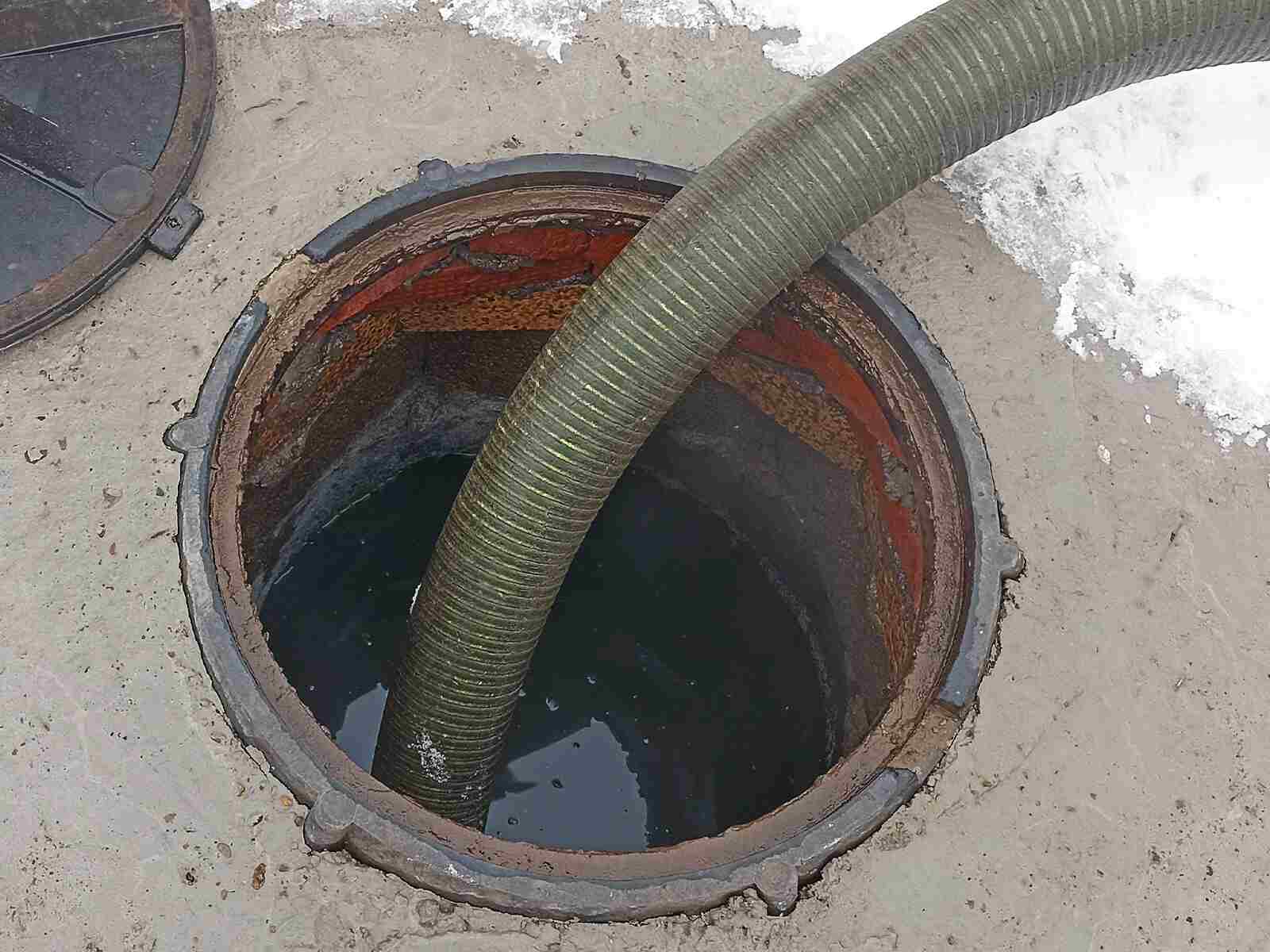
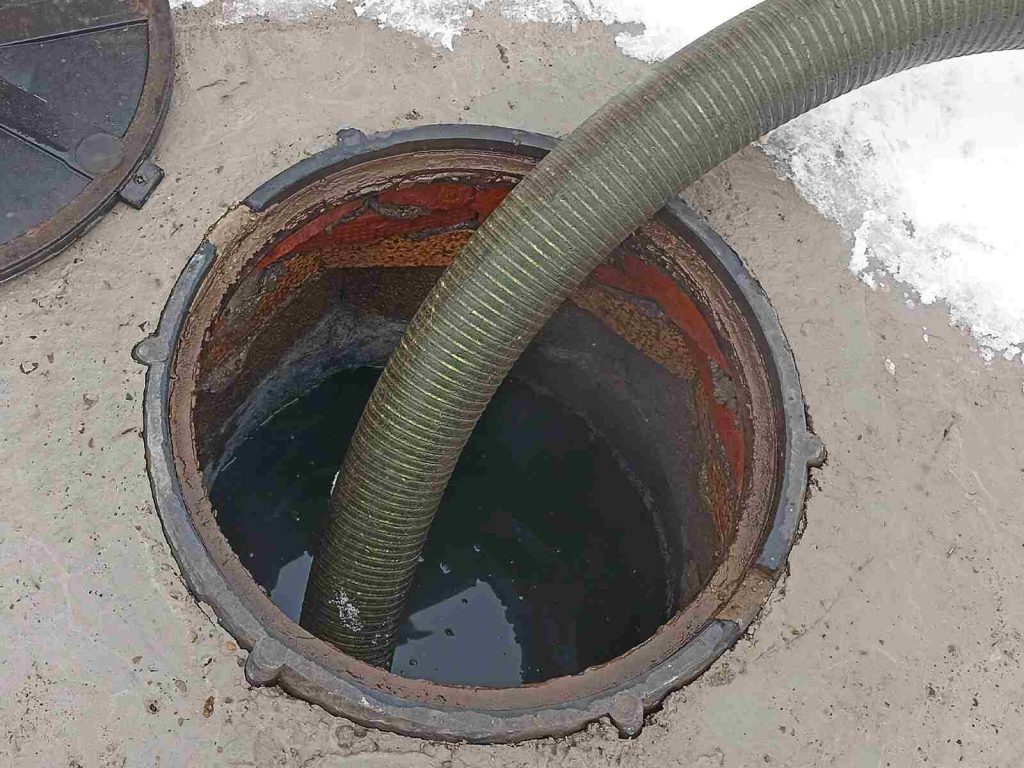
At RooterMan, we clear the basin with hydro‑vac equipment, flush the lines, and check that flow is restored—not just at the inlet, but out through the run as well. Hydro‑vac uses pressurized water and suction to break up and remove compacted sediment.
It pulls more material than hand tools and avoids damaging the basin walls. If there’s a structural issue (cracked basin, settled pipe, root intrusion), we’ll flag it so you’re solving the right problem.
Catch Basin Maintenance Schedule: A Parking Lot Drainage Cadence That Works
Think of catch basin maintenance like filter changes: too late, and everything downstream pays for it. Most lots do well on a twice‑yearly plan—after spring thaw (to remove sand and salt) and again in the fall (before leaves and freeze‑up). Busy retail or industrial yards often benefit from quarterly visits. Underground garages and enclosed loading bays, which collect oil and fine dust but don’t get rinsed by rain, may need more frequent service.
The goal is simple: keep sediment below the outlet so the box can do its job during heavy weather. What we document each visit:
- sediment depth and estimated remaining capacity
- condition of grate, frame and basin walls
- flow test after jetting lines
- notes for paving or concrete teams if edges or joints are failing
Clear records help with budget planning and municipal conversations if you ever need them. A simple log of service dates and observations shows that you’ve exercised due diligence.
Parking Lot Drainage Risks: The Cost of Delaying Storm Drain Cleaning
Standing water accelerates asphalt breakdown. Fines wash from the surface, the base weakens, and freeze–thaw turns hairline cracks into potholes. Inside the building, backed‑up drains can migrate problems toward loading areas and electrical rooms.
On the liability side, pooled water raises the risk of slips and fender‑benders—headaches no manager wants to explain twice. Overflowing catch basins also send trapped pollutants—oil, metals, de‑icer—into local waterways.
Municipal by‑laws require property owners to prevent illicit discharges, and ignoring a clogged basin can result in fines. Routine cleaning costs far less than a patch program, let alone mill‑and‑pave.
Choose RooterMan: Storm Drain Cleaning & Catch Basin Maintenance in the GTA
You call, we show up with the right truck, and the water moves. Behind that simple promise is a playbook built for commercial sites in Ontario: hydro‑vac units sized for large lots, jetting for long runs, traffic‑safe setup, and service windows that won’t clash with shift changes or deliveries. You get before/after photos and a short report—so the next rain is just weather, not an event.
Book professional storm drain cleaning and catch basin maintenance with RooterMan. We service Southern Ontario and the GTA, keeping parking lot drainage clear so your property stays open for business, whatever the forecast.
For more information about our septic tank services, call Rooter-Man at 1-888-828-ROOT (7668) or contact us here.
